Viggle

The physics-native world foundation model

Confidential August 2026

Physical intelligence is starved of experience

Knowledge scaled through the internet. Physical intelligence has no equivalent experience engine.

Reality

Too slow to scale

Physical interaction is expensive, sparse, and sequential.

Lab simulation

Too narrow to generalize

Manually built scenarios are costly and limited in diversity.

A scalable world foundation model can generate experience at model speed.

The real test of a world model is generality

Output format is not model architecture.

Proxy signals

3D output

Breakout applications

Academic lineage

Existing ARR

What actually counts

From-scratch pretraining

One model across world primitives

Empirical scaling law

Orders-of-magnitude efficiency

Real-world learning loop

One pretrained model must generalize across scenes, characters, and motion.

JST: better world compression through tokenized 4D atoms Our novel proprietary Joint Space & Time model. A generational leap in world modeling.

Measured JST scaling law shifts left versus video models Model size / cost Loss / quality JST video models
Placeholder: add exact model sizes, compute, and measured loss values.

World-space generation

Generates realism and style from data without expert-built graphics pipelines or professional 3D training.

Tokenized 4D atoms

Models atoms instead of pixels for guaranteed consistency and controllability.

On-device inference

Runs locally on phones and PCs with zero marginal cost and zero streaming latency.

JST-2 crossed the generality threshold

One foundation model. One checkpoint. No task-specific branches.

1 model across 3 world primitives and 6 foundational tasks
01

Characters

Text-to-character

Image-to-character

02

Motion

Text-to-motion

Video-to-motion

03

Scenes

Text-to-scene

Image-to-scene

1 checkpoint
64 B200 GPUs, pretrained from scratch
0 borrowed model weights

One model. Across-the-board SOTA.

The same JST-2 checkpoint beats specialist models across all six foundational tasks.

~1,000× training and inference efficiency
~100 ms scene generation
Same or better output quality

Characters

Text-to-character

Image-to-character

Placeholder: benchmark, expert baseline, JST-2 score, and margin.

Motion

Text-to-motion

Video-to-motion

Placeholder: benchmark, expert baseline, JST-2 score, and margin.

Scenes

Text-to-scene

Image-to-scene

Placeholder: benchmark, expert baseline, JST-2 score, and margin.

JST-2 demo

Video placeholder

Scenes + characters + motion, from one model

Needed: final demo video, input prompts, runtime, and output labels.

JST-1 proved a social-scale model flywheel

The moat is foundation model + social-scale engagement. The app was the real-world learning loop.

01

Deploy

Put an efficient model in users' hands.

02

Create

Millions explore the long tail.

03

Correct

Real usage exposes failures and desired behavior.

04

Improve

Feedback accelerates model iteration.

45M+ users
250M+ videos generated
~1,000× generation efficiency vs video models
Self-funding $2M ARR / $1.2M total annual cost

One architecture: from world simulation to physical intelligence

Graphics, physics, and reasoning scale together in the same model.

JST-1 Q4 2022 - Q2 2024

Prove architecture

Character foundation model plus a real-world learning flywheel.

JST-2 Q2 2024 - Q2 2026

Prove generality

One checkpoint across scenes, characters, and motion.

JST-3 Q2 2026 - Q4 2027

Scale physics

Generative physics across interactive world dynamics.

JST-4 Q4 2027 - Q1 2029

Scale physical intelligence

Reasoning and action grounded in the same world model.

Graphics Proof Solved Solved Solved
Physics Basic Game-ready Solved Solved
Reasoning Basic Early Growing Solved

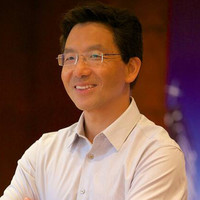
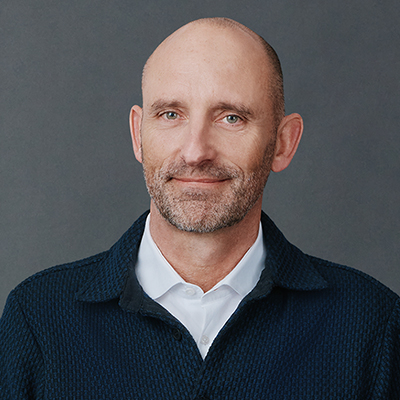
The team that completed world-model pretraining

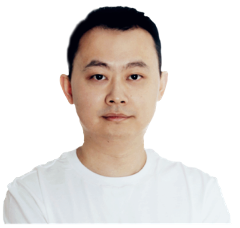
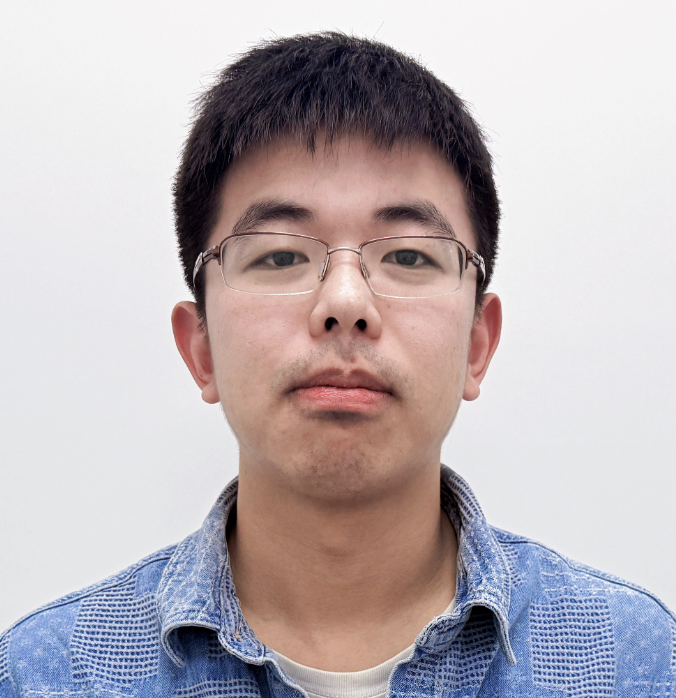
Hang Chu

Hang Chu, CEO

Leading researcher in 3D generative models for 10+ years.

  • Former Principal Researcher, Autodesk.
  • Google, NVIDIA, Facebook.
  • Cornell MS; PhD researcher, University of Toronto ML Group (5 years).
  • 2.6K+ citations; h-index 19.
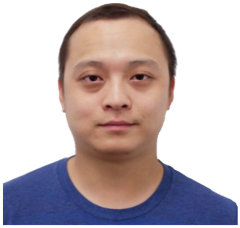
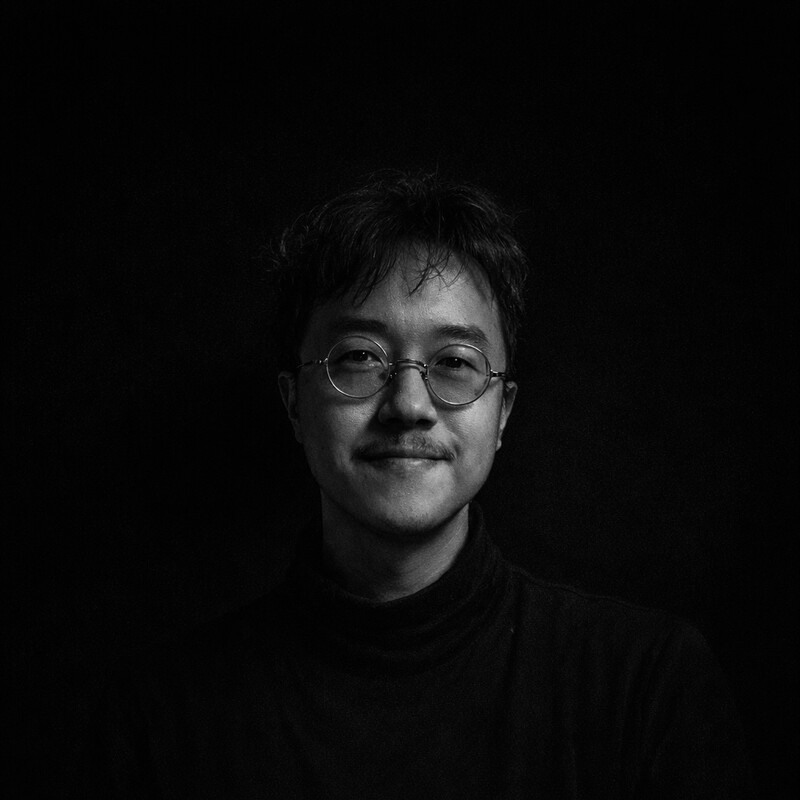
Ming Liang

Ming Liang, CTO

Researcher and systems builder for 3D foundation models.

  • Former Staff Scientist, Uber ATG.
  • Waabi, Apple SPG.
  • Tsinghua PhD; Kaggle Data Science Bowl champion ($1M prize).
  • 11.6K+ citations; h-index 31.

Core team

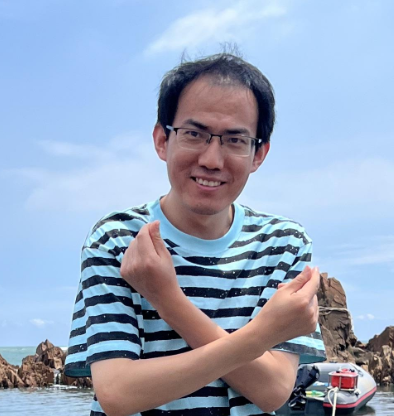
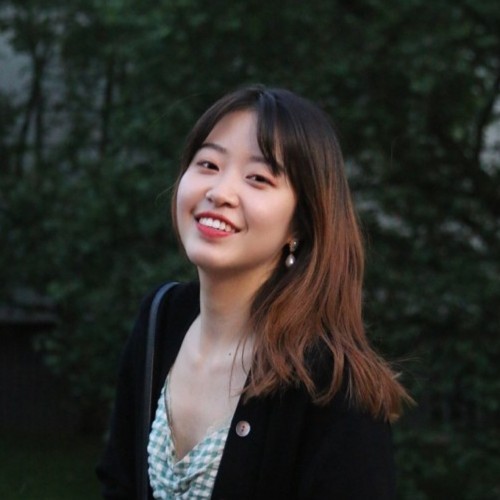
Jinma
JinmaData Lead10+ years as ML engineer
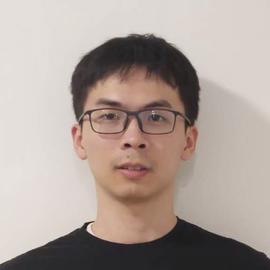
QQ
QQModel Lead3.8K+ citations; 10+ yrs research
Yun
YunChief ScientistFirst author, CVPR Best Paper finalist
SharpRuntime LeadFormer NVIDIA CUDA team
Yao
YaoInfra LeadFormer Sr. Engineer, ByteDance
Jason
JasonProduct LeadFormer AI startup founder
Nan
NanGrowth LeadUSC + LSE dual master's
KD
KDDesign LeadParsons; former Google
Renjie
RenjieTheory AdvisorProfessor, UBC
Eric
EricStrategy AdvisorFormer CTO, Ctrip; ex-eBay
Christine
ChristineGTM AdvisorFirst marketer at Twitter
Andre
AndreLegal AdvisorPartner, Osler

Model-as-a-Service

Commercialization has just begun.

Prosumer

Subscriptions

Paid plans for higher throughput, fidelity, and control.

B2B + developers

API access

Usage-based access to JST generation, animation, and simulation.

Enterprise

Licensing

Enterprise licenses for large platforms and strategic partners.

2026 year-end target $10M ARR
2027 year-end target $100M ARR

The ask: $200M to scale JST-3

$80M 40%

JST-3 training compute

$40M 20%

Data + simulation infrastructure

$40M 20%

Research and engineering

$40M 20%

Product distribution + GTM

The research breakthrough is complete. The next phase is scale.